
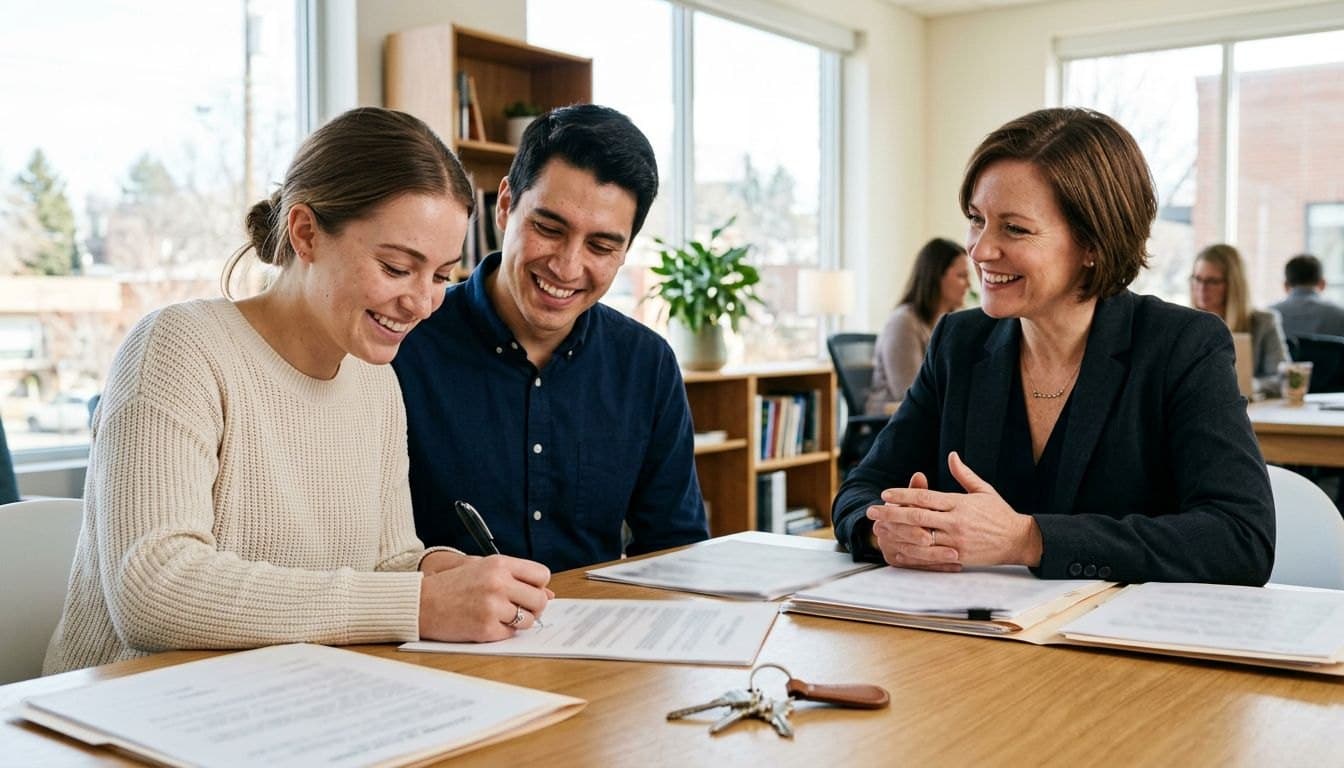
When buyers think about cash to close, they usually think about the down payment. Closing costs are the other half, and they surprise a lot of first-time buyers. Here's what they are in Utah, who usually pays them, and how to bring less to the table.
The ballpark
Closing costs are commonly estimated at about 2% to 5% of the loan amount, not counting prepaid taxes and insurance. Utah usually lands toward the lower end of that range, mainly because Utah doesn't charge a state real estate transfer tax.
Your Loan Estimate, which every lender must give you within three business days of applying, shows your actual numbers.
What's in closing costs
Lender charges. Origination, underwriting, and processing fees, plus any discount points you choose to pay. These vary the most between lenders. See how to compare two Loan Estimates.
Third-party services. The appraisal, credit report, flood certification, and sometimes a survey or inspection fees required by the loan.
Title and escrow. The title search, the lender's title insurance policy, and the title company's settlement or escrow fee for handling the closing.
Government fees. County recording fees for the deed and mortgage. In Utah these are small.
Prepaids and escrow reserves. These aren't fees; they're your own costs paid in advance:
- Your first year of homeowner's insurance
- Daily interest from your closing date to the end of that month
- A few months of property taxes and insurance held in your escrow account
Utah property taxes are billed once a year, with the bill due at the end of November, so the time of year you close changes how much the lender collects for taxes up front.
Who usually pays what
In Utah, who pays for what is set by your Real Estate Purchase Contract (REPC), so it's negotiable. Common practice:
- Buyer: lender fees, appraisal, the lender's title policy, prepaids, and escrow reserves
- Seller: their own agent commissions, the owner's title policy (commonly, though it's negotiable), and paying off their existing loan
- Split: the title company's escrow or settlement fee is often shared
Your agent and lender should walk through the REPC with you before you sign it.
Ways to bring less cash to closing
- Ask for seller concessions. The seller can pay part of your closing costs, up to limits set by your loan type: for example, up to 6% on FHA loans. Conventional limits depend on your equity and occupancy, and VA has its own rules.
- Use down payment assistance. Many Utah programs can cover closing costs as well as the down payment, including the statewide FHLB HELP grant and county programs like Davis County.
- Take a lender credit. A slightly higher rate in exchange for a credit toward your costs can make sense if cash is tight. Compare it carefully.
- Pick your closing date thoughtfully. Closing near the end of the month means less prepaid interest, though it doesn't change your total cost of the loan by much.
- Shop the services you're allowed to shop. Your Loan Estimate lists which ones.
Know your number early
We'll estimate your full cash to close, including down payment, closing costs, prepaids, and any assistance you qualify for, before you make an offer. Book a free call or try our first-time buyer calculator.